
Space Post 4
Sample HubSpot UserThe most significant things we can think about, when we think about Apollo, is that it has opened for us, for us being the World, a challenge of the future. The door is now cracked, but the promise of that future lies in the young people, not just in America, but the young people all over the world. Learning to live and learning to work together. In order to remind all the peoples of the World, in so many countries throughout the world, that this is what we all are striving for in the future,
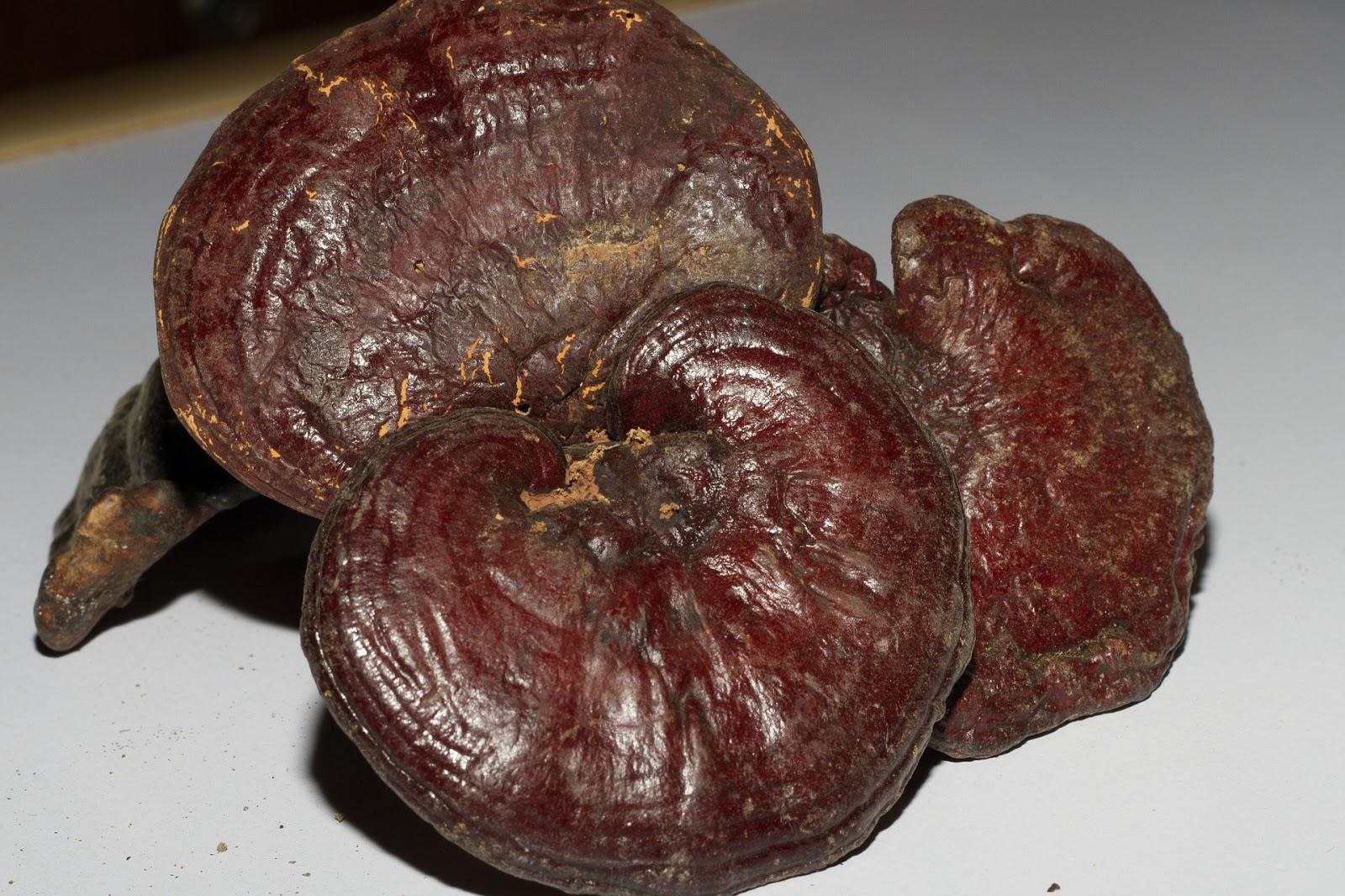
Figure 6. Reishi, also known as Lingzhi (Ganoderma lucidum), may be considered to be the prototypical functional mushroom. Long held dear in Traditional Chinese Medicine, it is especially rich in a variety of triterpenoids, producing over 140 of them. Photo by Phạm Lộc. (Pixabay).
A quick note - though the term “medicinal mushroom” has traditionally been preferred, of late “functional mushroom” has been gaining favour due to potential regulatory issues associated with using the term “medicine.”
It is also, in my opinion, a more accurate term as it better approximates in a descriptive sense, what exactly they do for us. “Functional mushroom” is thus the term we prefer, and will use throughout our articles.
So functional mushrooms are thus consumed primarily for their therapeutic benefit. Though the gamut of functional mushrooms provide a wide variety of benefits, the primary benefits are the anti-inflammatory, antioxidant, and especially immune-supporting effects. And like adaptogens, they are also able to return one’s body to a state of overall harmony if environmental stressors have thrown your physiology off-kilter.
So how do we make sense of this? How exactly is it that functional mushrooms seem to be able to help our bodies return to a state of optimal health? And why specifically these mushrooms as opposed to other mushrooms or plants? You can read the answers to all of these questions and more in our other Mycotherapy blog posts! See you there!
Faan
icon